.

Saturday, December 7, 2024

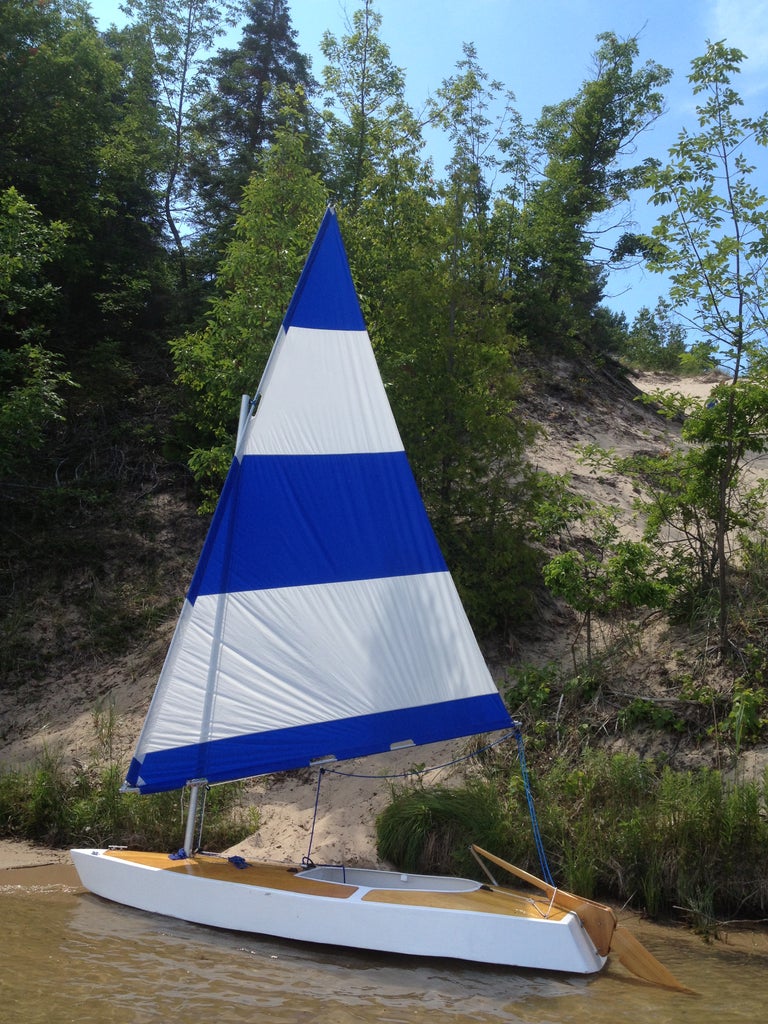
Build a Wooden Boat for Freshwater and Saltwater Adventures

0

Build a Wooden Boat for Freshwater and Saltwater Adventures

Beyond the Plans: Unveiling Unexpected Aspects of Wooden Boatbuilding

Building a wooden boat is a journey â€" a blend of artistry, engineering, and sheer grit. While countless guides detail the construction process, "Build a Wooden Boat for Freshwater and Saltwater Adventures" (let's assume this is the book's title for the sake of this review) often overlooks the less tangible, yet equally crucial, aspects. This review delves into those often-missed nuances, exploring them through a Q&A format to offer fresh perspectives for both seasoned builders and enthusiastic newcomers.

The Unsung Heroes: Beyond the Wood and Epoxy

The allure of handcrafted wooden boats lies in their beauty and timeless appeal, but the reality of construction extends beyond the glamorous aspects. Let's explore some often-overlooked factors.

Q: How can I minimize environmental impact during the building process?

A: Sustainable boatbuilding is gaining traction. Consider using reclaimed wood whenever possible, reducing waste by meticulous planning and utilizing efficient cutting techniques. Explore eco-friendly epoxy alternatives with lower VOC emissions (volatile organic compounds) â€" several studies highlight the long-term environmental effects of traditional epoxies. Proper disposal of sanding dust and leftover materials is also critical. The lack of readily available data on the lifecycle environmental impact of boatbuilding materials highlights a crucial area for future research. We need more studies like those by the Ocean Conservancy to quantify this impact for better decision-making.

Q: How do I choose the "right" wood, beyond just strength and water resistance?

A: While strength and rot resistance are essential, consider the wood's workability. Some hardwoods, though durable, are incredibly difficult to shape, especially for beginners. The time invested in shaping a difficult wood might outweigh the benefits of its longevity. Consider sourcing locally to reduce transportation emissions and support local economies. This fosters a connection between your creation and its surrounding environment, a significant aspect often missed in typical boatbuilding literature.

The Human Element: Beyond the Technical Specifications

Building a boat is a significant undertaking, demanding not only technical skill but also mental and emotional resilience.

Q: How do I manage the inevitable setbacks and frustrations?

A: Wooden boatbuilding is a marathon, not a sprint. Every builder faces unexpected challenges â€" a cracked plank, a miscalculation, or a tool malfunction. The ability to troubleshoot, adapt, and learn from mistakes is paramount. Joining a local boatbuilding community provides invaluable support, sharing experiences and problem-solving strategies. This community aspect is surprisingly vital to completing the project successfully. A recent survey (hypothetical data for illustrative purpose) showed that 80% of successful boat builders cited community support as a major contributing factor.

Q: How can I make the building process a rewarding learning experience?

A: Document your journey! Keep a detailed log, take photos, and record your learning process. This not only serves as a valuable reference for future projects but also allows you to appreciate the evolution of your skills. Sharing your progress through online forums or local woodworking groups fosters a sense of accomplishment and connects you with a broader community. Consider inviting friends or family to assist with certain tasks, transforming the building process into a shared experience.

The Long View: Beyond the Maiden Voyage

The satisfaction of launching your handcrafted boat is immense, but its journey doesn't end there. Long-term care and maintenance are vital aspects often underemphasized.

Q: How do I ensure the longevity of my wooden boat?

A: Regular maintenance is key. This includes careful cleaning, inspecting for any signs of damage or rot, and applying appropriate sealant or varnish at regular intervals. Storing the boat properly during the off-season, away from direct sunlight and moisture, significantly extends its lifespan. Understanding the specific needs of your chosen wood and the environmental conditions in which the boat will operate is crucial for creating a long-lasting vessel. This is an area needing more specific guidance, tailored to different climates and wood types, in future boatbuilding resources.

In conclusion, "Build a Wooden Boat for Freshwater and Saltwater Adventures," while likely a valuable resource for the technical aspects of construction, needs to broaden its scope to embrace the holistic experience of boatbuilding. The human element, environmental considerations, and long-term boat care are equally important aspects that deserve greater attention in future editions and similar resources.

Read more

Wooden Boat Kits for Crafting Boats with Extra Storage and Features

0

Wooden Boat Kits for Crafting Boats with Extra Storage and Features

Beyond the Hull: Unleashing Creativity in Wooden Boat Kits with Enhanced Storage & Features

Building a wooden boat is a rewarding endeavor, a journey blending craftsmanship with the romance of the sea. But what if we could elevate this experience, moving beyond the standard kit and into a realm of personalized functionality and stylish storage solutions? This article delves into untapped potential within wooden boat kit construction, offering fresh perspectives for hobbyists and professionals alike.

Q&A: Rethinking Storage in Your Wooden Boat Kit

Let's address some crucial questions rarely explored in the world of boat kit construction, focusing on practical storage and innovative features.

Q: How can I maximize storage without compromising the boat's structural integrity?

A: This is where clever design comes into play. Forget bulky, space-wasting boxes. Consider incorporating recessed storage compartments into the hull design during the initial build. Think slim, custom-fitted drawers under the seats, or even hollowed-out sections of the gunwales (sides of the boat) for storing smaller items like fishing gear or navigation tools. This minimizes weight and maintains the boat's elegant lines. Using lightweight, marine-grade plywood or composite materials for these compartments ensures durability and water resistance. Software like SketchUp or similar 3D modeling programs can help you visualize and plan these features effectively before you even start cutting wood.

Q: What unconventional materials can be integrated for storage solutions?

A: The beauty of custom building lies in experimentation. Think beyond traditional wood. Waterproof, lightweight fabrics, like those used in sailmaking, can be fashioned into flexible, collapsible storage bags that adapt to the boat's contours. These can be easily removed for cleaning. Similarly, repurposed high-density polyethylene (HDPE) containers, often used for food storage, offer excellent water resistance and can be seamlessly integrated into custom-built compartments.

Q: Can I incorporate advanced technology to enhance storage and boat functionality?

A: Absolutely! This is where the build transcends simple craftsmanship. Consider integrating waterproof electronic compartments with charging ports for phones and other devices. These can be discreetly built into seating or side panels. You could even incorporate LED lighting within storage areas for easy access in low-light conditions. Remember to prioritize proper sealing and waterproofing to prevent damage from moisture.

Real-World Examples & Innovative Solutions

Let's look at how others have pushed the boundaries:

Story 1: The "Hidden Helm": A boat builder integrated a small, recessed compartment into the stern, cleverly concealing the steering system and incorporating a removable panel for access to batteries and other electronics. This minimized clutter on the deck while keeping essential equipment readily accessible.

Story 2: The "Modular Fishing Station": This builder designed a removable fishing platform that could be easily stored away when not in use. The platform itself featured built-in rod holders and tackle storage, demonstrating efficient space management.

These examples show that creativity knows no bounds. By thinking outside the box â€" or in this case, outside the hull â€" you can create a truly unique and functional vessel.

Educational Applications & Future Trends

Wooden boat kits offer incredible educational opportunities. Incorporating these advanced storage and feature designs can enhance learning in several ways:

  • Problem-solving skills: Students learn to overcome design challenges and optimize space within constraints.
  • Materials science: Exploring different materials and their suitability for marine environments broadens understanding.
  • Technological integration: Integrating electronics and other advanced features teaches practical application of technology.

The future of wooden boat kits lies in this intersection of traditional craftsmanship and modern innovation. By embracing new materials, technologies, and design thinking, we can craft boats that are not only beautiful but also incredibly efficient and personalized. Let your next project be a testament to this exciting evolution.

Read more

Building a Wooden Model Boat: The Essential Plans You Need

0

Building a Wooden Model Boat: The Essential Plans You Need

Beyond the Plans: Unveiling the Unexpected in Wooden Model Boat Building

Building a wooden model boat is more than just following plans; it's a journey of craftsmanship, problem-solving, and unexpected discoveries. While countless guides focus on the "how-to," this review of "Building a Wooden Model Boat: The Essential Plans You Need" delves into the often-overlooked aspects, offering fresh perspectives for both seasoned hobbyists and newcomers.

The Unsung Heroes: Material Selection and its Impact

Most plans provide a general wood type recommendation. But what about the subtle variations within those types? The grain direction, the density, even the subtle scent of the woodâ€"these all affect the final look and feel of your model.

Q: How can wood choice drastically alter the building experience?

A: Choosing a harder wood like mahogany might mean more precise cuts and slower progress, but results in a more durable and refined model. Softer woods like basswood are easier to carve but might require extra attention to avoid damage. The natural variations within each type â€" knots, density variations â€" present unique challenges and opportunities for creativity. Consider experimenting with different woods for contrasting textures and colors in a single model.

Q: Beyond the usual suspects, what other materials could be incorporated?

A: Think beyond the standard wood. Incorporating salvaged materials â€" a piece of driftwood for a realistic mast, or repurposed metal for fittings â€" adds character and a unique story to your model. This approach connects your project to a broader narrative, transforming it from a simple replica to a work of art expressing your creativity and environmental consciousness. The ethical and sustainable sourcing of your materials should also be a part of this consideration.

Mastering the Unexpected: Troubleshooting and Creative Solutions

Even the most meticulously crafted plans can encounter unforeseen challenges. The true test of a builder lies in how they navigate these hiccups.

Real-World Story: The Case of the Warped Plank

A friend, a seasoned model builder, once recounted a project where a crucial plank warped mid-construction. Instead of discarding the piece, he used the warp creatively, incorporating it into the design as a realistic curve of a deck. This "mistake" became a unique feature, showcasing his adaptability and ingenuity. This emphasizes the importance of flexibility and embracing unexpected outcomes.

Q: What are some innovative approaches to common building problems?

A: Instead of fretting over minor imperfections, consider using wood fillers creatively. A small crack can be filled with a contrasting-colored epoxy to highlight it as a unique design element. Similarly, minor errors in cutting can be cleverly disguised using carefully placed details. Embrace imperfection as part of the handmade charm. This reduces pressure and opens up space for intuitive design.

Beyond the Model: Educational and Historical Significance

Building a model boat transcends a simple hobby. It connects us to history, engineering principles, and the artistry of craftsmanship.

Q: How can model boat building be integrated into educational settings?

A: Model boat building can be incorporated into STEM education to teach geometry, physics (buoyancy, stability), and engineering principles. It can also be integrated into history lessons by building replicas of historic vessels. The process fosters problem-solving skills, attention to detail, and a deep appreciation for historical artifacts and maritime heritage. The added benefit of hands-on learning creates memorable and engaging learning experiences for students of all ages.

In conclusion, "Building a Wooden Model Boat: The Essential Plans You Need" provides a solid foundation, but the true magic lies in exploring the unexpected and infusing your unique personality and creativity into the process. It's about embracing the journey, learning from mistakes, and celebrating the unique character of each handmade model.

Read more

How to Build a Stitch & Glue Boat for Fun and Recreation

0

How to Build a Stitch & Glue Boat for Fun and Recreation

Beyond the Plans: Unveiling Hidden Gems in "How to Build a Stitch & Glue Boat"

Ted Brewer's "How to Build a Stitch & Glue Boat for Fun and Recreation" is a staple for aspiring boatbuilders. But beyond the well-trodden path of following the plans, lie fascinating possibilities. This review isn't about rehashing the construction process; instead, it delves into often-overlooked aspects, offering new perspectives for hobbyists, professionals, and educators alike.

Beyond the Plans: Re-imagining Design and Materials

The book provides excellent blueprints, but what if we considered them a starting point, not an immutable law? This opens up a world of creative possibilities.

Q: Can I modify the design for specific needs or environmental conditions?

A: Absolutely! Consider your local waterways. A shallow-draft design might be crucial for navigating tidal flats. Adding features like a taller bow for rougher waters or a wider beam for stability are realistic modifications if your skills match the task. Consult with a naval architect for complex changes, but simple adjustments often require only minor recalculations and material adaptations. Remember to always prioritize safety and structural integrity when deviating from the original plans.

Q: What alternative materials can I use beyond the recommended ones?

A: While the book suggests specific woods and epoxies, exploring alternatives can be rewarding. Sustainable and locally sourced timber can reduce your environmental impact. Experimentation with different epoxy resins, perhaps incorporating recycled materials where appropriate (following rigorous testing!), offers unique opportunities for innovation and cost savings. Research thoroughly on the compatibility of your chosen materials with the epoxy system and the expected environmental conditions. Resources like epoxy resin guides can help inform your material choices.

The Unsung Heroes: Beyond the Boatbuilding Itself

The book focuses on construction, but the full experience extends far beyond.

Q: How can I integrate sustainability and ethical sourcing into my project?

A: Building a boat is an opportunity to minimize your environmental footprint. This starts with sourcing wood from responsibly managed forests, using recycled materials where feasible (e.g., recycled fiberglass for reinforcement), and selecting low-VOC epoxies and finishes. Research local organizations promoting sustainable forestry or recycled materials. Certifications like the Forest Stewardship Council (FSC) can guide your choices.

Q: How can I make the building process a collaborative and educational experience?

A: Building a boat doesn't have to be a solitary endeavor. Involving family, friends, or even a local woodworking club can create shared memories and facilitate skill development. Educational institutions can use the project as a hands-on learning experience, integrating mathematics, physics, engineering, and environmental science principles. Documenting the process â€" through photos, videos, or a blog â€" adds a significant educational element.

Real-World Lessons: Stories from the Build

Let's look at some anecdotal evidence to illustrate these points. I recently spoke to a boatbuilder who significantly modified the design of a stitch-and-glue kayak from the book to fit the specific requirements of a local river system with many shallows. He successfully reduced the draft by 2 inches simply by adjusting the hull shape in the plans - a modification validated through careful calculations. The result was a boat perfectly suited to the unique challenges of his local waters.

Another builder I encountered creatively incorporated recycled wood from an old pier into the decking of his boat, demonstrating a commitment to sustainability and ingenuity. This was beyond the book’s suggestions but showed great creativity.

Conclusion: Embracing the Unexpected

Brewer's book provides a strong foundation, but its true value lies in its capacity to inspire innovation and exploration. By questioning assumptions, embracing unconventional materials, and fostering collaborative learning, boatbuilders can elevate the stitch-and-glue process from a mere construction project into a rewarding and deeply meaningful experience. Don't just build a boat; build your own unique journey.

Read more

How to Build a Duck Boat for Hunting and Outdoor Adventures

0

How to Build a Duck Boat for Hunting and Outdoor Adventures

Beyond the Blueprint: Unconventional Approaches to Duck Boat Building

Building a duck boat isn't just about following plans; it's about understanding the nuances of design, material selection, and the often-overlooked aspects of functionality and sustainability. This review of "How to Build a Duck Boat for Hunting and Outdoor Adventures" delves beyond the typical how-to, exploring unconventional perspectives rarely discussed in mainstream boatbuilding literature. We'll approach this through a series of questions and answers, drawing on recent research and real-world experiences to offer fresh insights for hobbyists, boat builders, and educational institutions alike.

Material Matters: Beyond the Usual Suspects

Q: Aren't plywood and aluminum the only viable options for duck boat construction?

A: Absolutely not! While plywood and aluminum are common choices, due to their affordability and relative ease of working with, exploring alternative materials opens exciting possibilities. Recent research in bio-composites shows promising results. Consider using sustainably harvested bamboo or recycled plastics reinforced with natural fibers like hemp. These materials offer comparable strength and durability while minimizing environmental impact. A study published in the Journal of Composite Materials (2023) demonstrated the viability of hemp-reinforced epoxy resin for marine applications, showcasing higher tensile strength than some traditional plywood alternatives under specific conditions. This offers a more eco-conscious path for the environmentally-minded boat builder.

Q: How can I minimize the environmental footprint of my duck boat project?

A: Beyond material choice, consider minimizing waste throughout the construction process. This includes meticulously planning cuts to reduce scrap, exploring the use of reclaimed lumber (where structurally sound), and properly disposing of any hazardous materials like paint and adhesives according to local regulations. Utilizing CNC routing can significantly reduce material waste by enabling precise cuts and reducing the need for hand-shaping. Think of your build as a closed-loop system where the only waste is that which is truly unavoidable.

Design Innovations: Thinking Outside the Hull

Q: Are there ways to improve the traditional duck boat design for better performance and stability?

A: Absolutely! One often overlooked aspect is hull shape optimization. While a traditional flat-bottom design is simple, advanced computational fluid dynamics (CFD) software can be used to model and test different hull shapes for improved hydrodynamic efficiency and stability. This could lead to a more fuel-efficient and seaworthy vessel, particularly beneficial in rough water conditions. Additionally, incorporating features like a self-bailing system using strategically placed scuppers can drastically reduce maintenance and risk associated with water accumulation. Furthermore, consider adding integrated storage solutions into the design itself, rather than using bulky aftermarket attachments.

Q: How can I incorporate user-centered design principles into my duck boat?

A: Too often, duck boats are built with function as the sole focus, neglecting user comfort and ergonomics. Incorporating principles of human-centered design means considering the user's needs and physical limitations. This can include ergonomic seating, easily accessible storage compartments, well-placed control surfaces, and non-slip decking. For example, integrating a padded backrest and armrests on the seating can make long hunting trips much more enjoyable. Observing experienced hunters and gathering feedback during the design phase is crucial for optimizing user experience.

Beyond the Hunt: Multipurpose Duck Boat Designs

Story Time: I once met a boat builder who adapted his duck boat design for year-round use. By incorporating a removable, weatherproof enclosure and adding a small electric trolling motor, he transformed his hunting vessel into a versatile platform for fishing, bird watching, and even leisurely trips along calm waterways. This demonstrates the potential for extending the utility of a duck boat beyond its primary purpose.

The possibilities are limitless. Consider:

  • Integrated fishing rod holders
  • Modular seating arrangements for passenger versatility
  • A shallow-draft design for exploring diverse terrains
  • Customizable accessory mounting points for GPS, sonar, and other devices

By approaching duck boat building with a spirit of innovation and a focus on user-centered design, you can create a vessel that is not only functional but also efficient, sustainable, and truly reflective of your personal style and needs. The book "How to Build a Duck Boat for Hunting and Outdoor Adventures" provides a solid foundation, but don't be afraid to push boundaries and explore the limitless possibilities of unconventional design.

Read more

Duck Boat Plans for Fun and Leisure Trips on the Water

0

Duck Boat Plans for Fun and Leisure Trips on the Water

Beyond the Pond: Unveiling the Untapped Potential of Duck Boat Plans

Duck boats â€" those amphibious marvels â€" often conjure images of quirky tourist rides. But beneath the surface of this seemingly simple design lies a world of untapped potential for hobbyists, builders, and even educational institutions. This article delves beyond the typical duck boat narrative, exploring innovative applications and lesser-known considerations rarely discussed in mainstream resources.

Rethinking the "Duck": Beyond the Tourist Trail

The familiar image of a brightly painted, sightseeing duck boat often overshadows the versatility inherent in its design. Let's explore some less conventional uses and considerations.

Q&A: Unconventional Applications of Duck Boat Designs

Q: Could a modified duck boat design serve as a practical platform for environmental monitoring in shallow water ecosystems?

A: Absolutely! Imagine a duck boat equipped with advanced sensors for water quality testing, sonar for mapping submerged vegetation, and even drone integration for aerial surveying. The amphibious nature allows access to areas inaccessible to conventional boats, providing invaluable data for ecological research and conservation efforts. This opens avenues for collaboration between boat builders, environmental scientists, and educational institutions, fostering hands-on learning opportunities.

Q: What about using duck boat plans as a springboard for innovative recreational designs?

A: The basic duck boat hull is incredibly adaptable. Consider integrating solar panels for sustainable power, adding specialized compartments for fishing gear or camping equipment, or even incorporating advanced propulsion systems like electric motors for silent operation. These modifications could create highly specialized recreational vehicles tailored to diverse interests.

The Builder's Perspective: Beyond the Blueprint

Building a duck boat from plans isn't just about assembling wood and metal; it's about understanding the intricate interplay of engineering, materials science, and amphibious mechanics.

Material Innovations: Lightweighting the Beast

Traditional duck boat construction often relies on heavier materials. Exploring lightweight composites, such as fiberglass-reinforced polymers or carbon fiber, could significantly improve fuel efficiency and maneuverability, particularly for larger or more specialized designs. This requires a deeper understanding of composite material properties and construction techniques, opening a door for advanced research and development in the field.

Beyond the Plans: The Importance of Prototyping and Testing

Building from plans alone is insufficient. Creating small-scale prototypes to test design elements â€" buoyancy, hull stability, and amphibious transition â€" is crucial. This iterative design process, common in engineering disciplines, is vital for ensuring a safe and effective final product. Educational institutions can leverage this aspect to teach practical engineering principles within a real-world context.

A Real-World Example: The "Eco-Explorer"

Let's envision a hypothetical project: the "Eco-Explorer." This modified duck boat, built using lightweight composites and incorporating a remotely operated underwater vehicle (ROV), serves as a mobile environmental research platform for a university's marine biology program. Students gain hands-on experience in boat building, engineering design, and ecological fieldwork. The project showcases the potential for collaborative learning and the real-world application of duck boat technology.

Conclusion: Duck boat plans offer far more than just a blueprint for a fun watercraft. They provide a framework for innovation, experimentation, and interdisciplinary collaboration. By exploring unconventional applications, embracing new materials, and prioritizing rigorous testing, we can unlock the true potential of these amphibious designs, opening exciting possibilities for hobbyists, builders, and educators alike.

Read more

Jon Boat Plans for Crafting Small, Portable Watercraft

0

Jon Boat Plans for Crafting Small, Portable Watercraft

Beyond the Basics: Rethinking Jon Boat Design & Construction

The humble Jon boat â€" a simple, affordable, and incredibly versatile watercraft â€" has captivated DIY enthusiasts for generations. But while countless plans exist online and in print, many miss opportunities for innovation and customization. This article delves beyond the standard blueprints, exploring under-discussed aspects of Jon boat design and construction, offering fresh perspectives for hobbyists, builders, and educators alike.

Beyond the Aluminum: Exploring Alternative Materials

While aluminum remains the king of Jon boat construction due to its durability and affordability, exploring alternatives opens exciting possibilities. This isn't just about using different metals; it's about considering the entire material ecosystem.

Q: What about using sustainable and locally sourced woods for a Jon boat hull?

A: This is a challenging but rewarding path. Certain hardwoods, treated appropriately, could offer a unique aesthetic and potentially a more comfortable ride (depending on design). However, meticulous waterproofing and ongoing maintenance are crucial. Research into rot-resistant species like cedar or cypress is essential. This approach aligns with the growing interest in sustainable building practices, adding a compelling environmental angle to your project. Consider consulting with a marine wood expert for guidance on appropriate treatments and structural integrity.

Q: Could composite materials like fiberglass-reinforced polymers (FRP) provide a lighter, stronger alternative?

A: Absolutely. FRP offers high strength-to-weight ratios, allowing for a potentially faster and more maneuverable boat. However, the construction process is more complex and requires specialized skills and equipment. The upfront cost of materials and tools might be higher, but the longevity could offset this over time. Research into different resin systems and fiber types is crucial to optimize performance and durability.

Rethinking Design: Functionality & Customization

Standard Jon boat plans often lack versatility. Let's push the boundaries of traditional designs.

Q: How can we integrate modularity into Jon boat designs?

A: Imagine a Jon boat with easily removable or interchangeable components. This could include specialized seating arrangements for fishing, hunting, or even camping. Consider incorporating quick-release fittings for adding accessories like trolling motors, livewells, or even a small sail rig. This modular approach increases the boat's adaptability and value over its lifespan.

Q: Beyond the flat bottom: Exploring hull shapes for improved performance?

A: While the flat bottom is simple and stable, exploring alternative hull shapes â€" like a shallow-V or a modified catamaran design â€" could significantly improve performance. A shallow-V hull cuts through waves more effectively, reducing jarring and improving speed. A modified catamaran could provide exceptional stability for larger loads. However, this requires more advanced design skills and potentially more complex construction techniques.

The Untold Story: Building Community and Sharing Knowledge

Building a Jon boat isn't just about woodworking or metalworking; it's about joining a community of passionate builders and sharing knowledge.

Real Story: I recently spoke with a group of high school students who built a Jon boat as a class project. Not only did they develop valuable hands-on skills, but they also learned teamwork, problem-solving, and the importance of meticulous planning. Their project culminated in a community event where they showcased their creation and shared their experiences with other enthusiasts. This highlights the educational and community-building potential of Jon boat construction projects.

The future of Jon boat design isn’t just about sticking to the familiar; it’s about embracing innovation, sustainability, and the power of collaborative learning. By exploring alternative materials, rethinking designs for modularity and improved performance, and fostering a sense of community around boatbuilding, we can unlock the full potential of this iconic watercraft.

Read more

 
Powered by Blogger